

2025-11-03T09:59:39
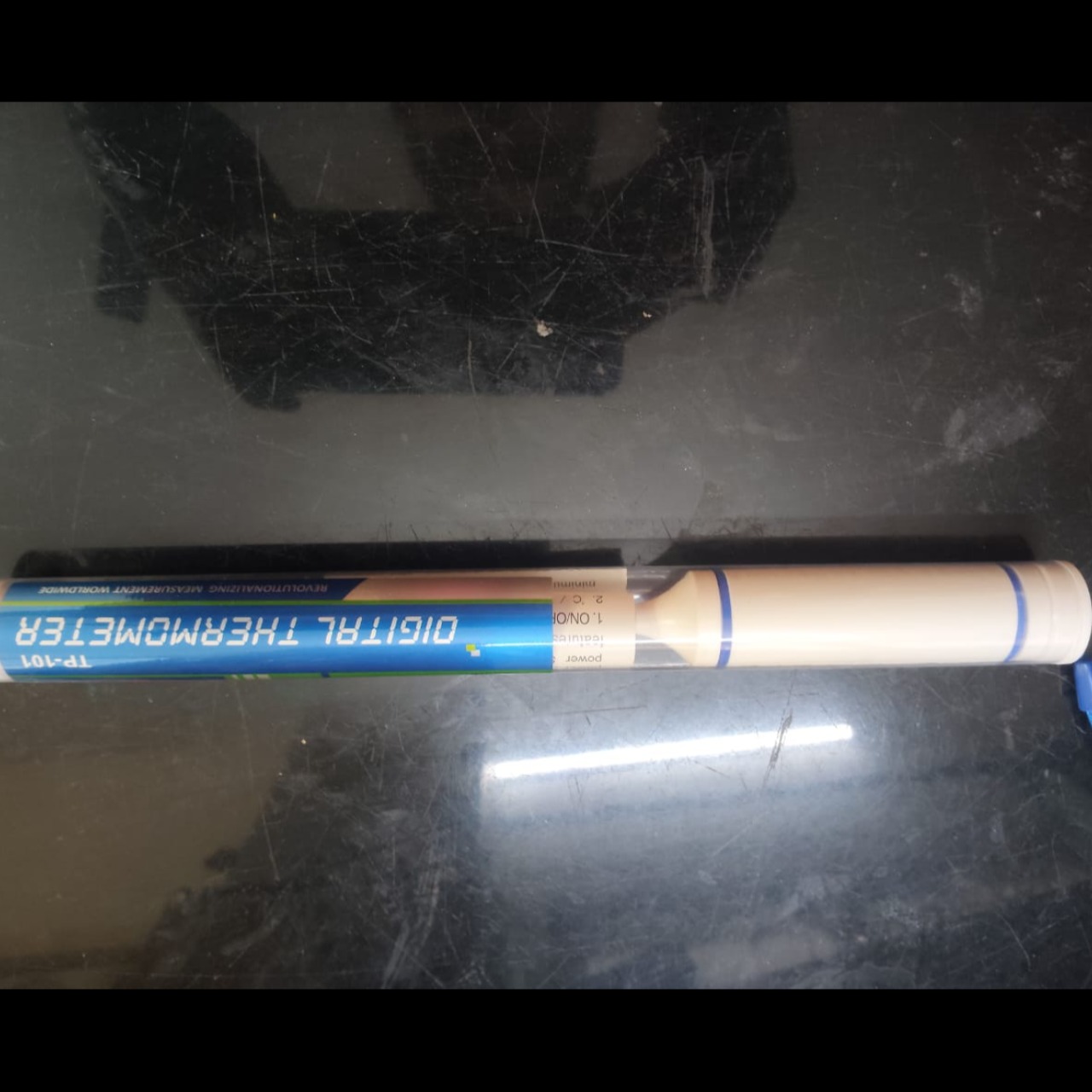
A thermometer is a device that measures temperature, using principles like thermal expansion or digital sensors. Key components include a temperature sensor and a scale or digital display for readings. Common types are clinical (for body temperature), laboratory, and industrial, with modern medical thermometers often being digital or infrared to avoid the risks associated with older mercury-based thermometers. Temperature sensor: A part of the thermometer that changes in response to temperature, such as a liquid-filled bulb in a glass thermometer or an electronic sensor in a digital one. Conversion/display: A system to convert the sensor's change into a numerical value. This can be a visual scale on a glass tube or a digital readout on an electronic device. Working principle: The most common principle is the thermal expansion of a substance (like mercury or alcohol) which expands when heated and contracts when cooled. Electronic thermometers use sensors that convert temperature into an electrical signal, which is then processed by a microcontroller and displayed digitally. Types of thermometers Clinical/Medical: Used to measure body temperature. Digital: Often have a tip for oral, rectal, or axillary use, with a digital display. Infrared: Measure temperature from a distance, for example, from the forehead or ear. Mercury-in-glass (Traditional): Older style with a mercury-filled bulb and tube. These are no longer recommended for medical use due to the risk of mercury poisoning if the glass breaks. Laboratory: Designed for scientific experiments and are often longer and more robust than clinical thermometers. Industrial: Used in manufacturing and other applications to monitor processes at a wide range of temperatures. Pill: A swallowable pill-like thermometer that transmits core body temperature data for health monitoring. Key details and historical context Temperature scales: Standardized scales like Fahrenheit and Celsius were developed to ensure consistent readings. Anders Celsius created the 100-degree centigrade scale, and Daniel Gabriel Fahrenheit created the Fahrenheit scale, which uses 32∘F32 raised to the composed with power cap F32∘ as the freezing point of water. Safety: Mercury thermometers are being phased out in many places because mercury is a toxic substance. Components and principles
Have a question? Ask here!
Required fields are marked *