

2025-06-07T04:20:32
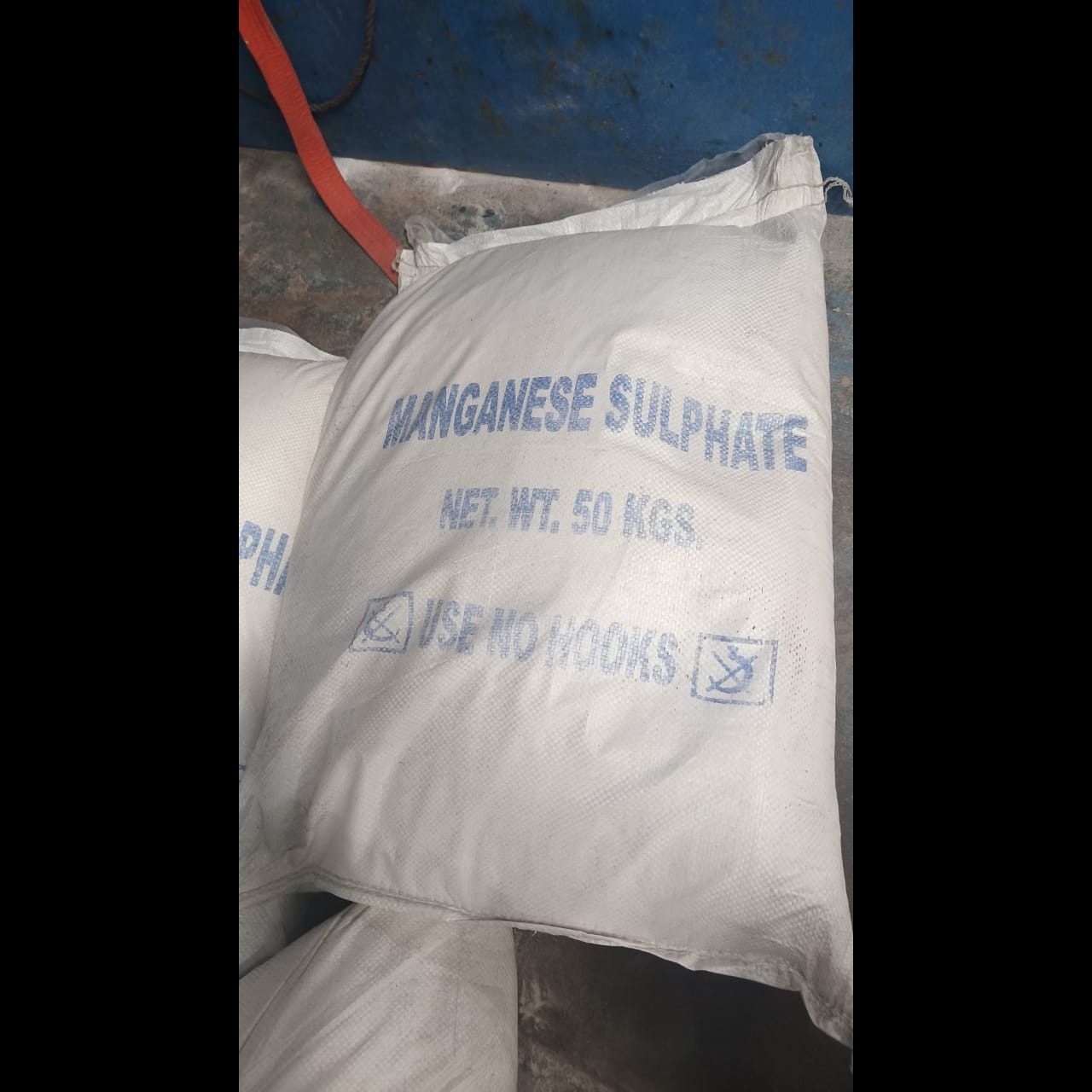
Manganese(II) sulfate usually refers to the inorganic compound with the formula MnSO4·H2O. This pale pink deliquescent solid is a commercially significant manganese(II) salt. Approximately 260, 000 tonnes of manganese(II) sulfate were produced worldwide in 2005. It is the precursor to manganese metal and many other chemical compounds. Manganese-deficient soil is remediated with this salt.Typically, manganese ores are purified by their conversion to manganese(II) sulfate. Treatment of aqueous solutions of the sulfate with sodium carbonate leads to precipitation of manganese carbonate, which can be calcined to give the oxides MnOx. In the laboratory, manganese sulfate can be made by treating manganese dioxide with sulfur dioxide:[4] MnO2 + SO2 + H2O → MnSO4(H2O) It can also be made by mixing potassium permanganate with sodium hydrogen sulfate and hydrogen peroxide. Manganese sulfate is a by-product of various industrially significant oxidations that use manganese dioxide, including the manufacture of hydroquinone and anisaldehyde.[1] Electrolysis[edit] Electrolysis of manganese sulfate reverses the above reaction yielding manganese dioxide, which is called EMD for electrolytic manganese dioxide. Alternatively oxidation of manganese sulfate with potassium permanganate yields the so-called chemical manganese dioxide (CMD). These materials, especially EMD, are used in dry-cell batteries.
Have a question? Ask here!
Required fields are marked *