

2025-08-05T11:26:27
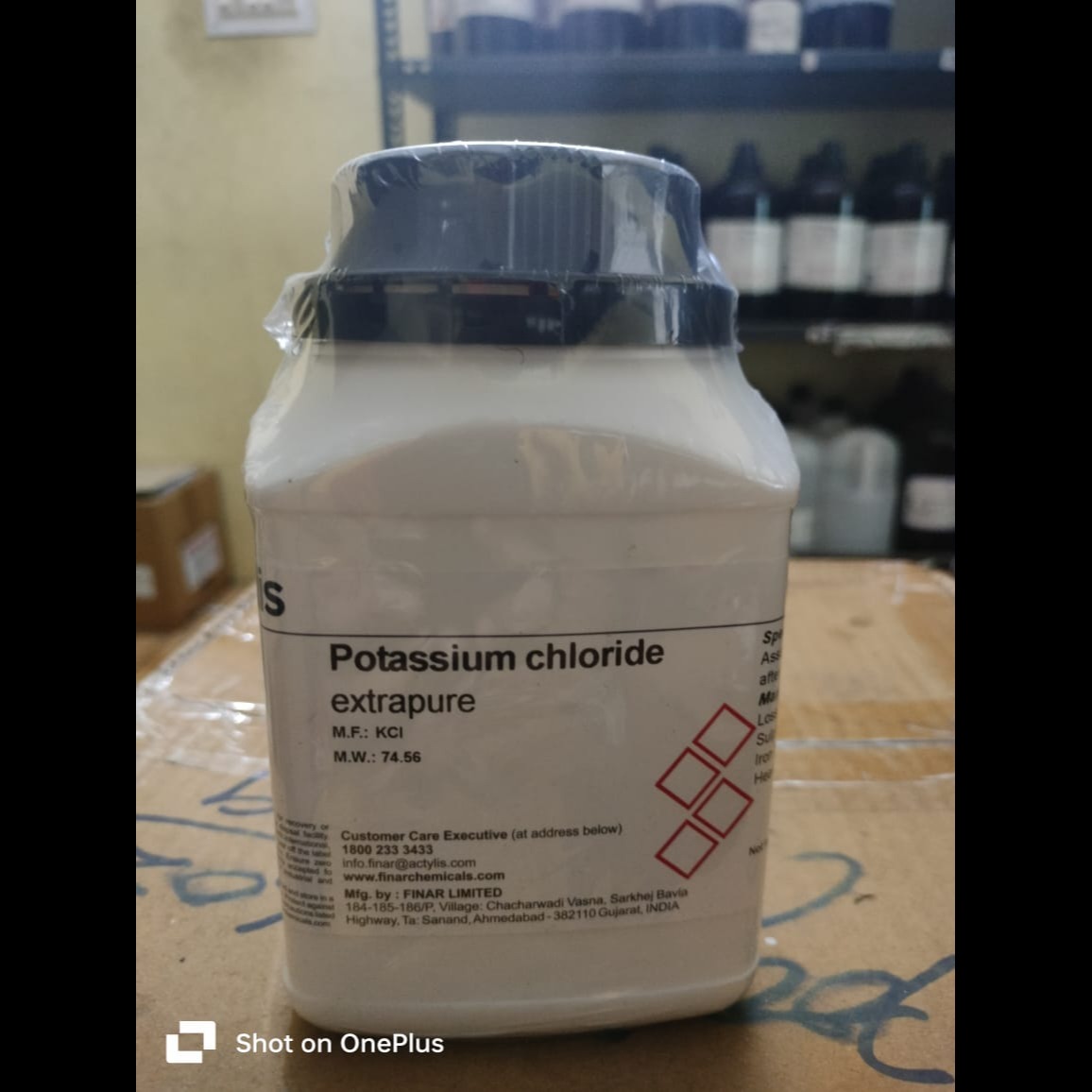
Potassium chloride (KCl) is an ionic salt composed of potassium and chlorine, often used as a fertilizer, in medicine, and in various industrial applications. It's a white, crystalline substance that is highly soluble in water. In medicine, it's primarily used to treat low potassium levels (hypokalemia). Uses: Medicine:Potassium chloride is a vital electrolyte replenisher, used to treat and prevent hypokalemia, a condition where potassium levels are too low in the blood. It's often administered orally (in solution or powder form) or intravenously. Fertilizer: It's a widely used potassium fertilizer in agriculture, accounting for the majority of global potassium fertilizer consumption. Industrial Applications:Potassium chloride is used in various industrial processes, including metallurgy (surface treatment, galvanizing, hardening, soldering, and smelting), and as a component in explosives. Medical Considerations: Hypokalemia:Potassium chloride is crucial for correcting low potassium levels in the body, which can be caused by various factors like medications, illnesses, or prolonged vomiting. Hyperkalemia:It's essential to monitor potassium levels during treatment with KCl as excessive potassium (hyperkalemia) can be dangerous, potentially leading to heart rhythm problems. Administration:Potassium chloride is typically administered orally with water or juice, or intravenously under careful monitoring. Precautions:It's important to follow dosage instructions carefully and to be aware of potential side effects, especially concerning heart function and electrolyte balance.
Have a question? Ask here!
Required fields are marked *