

2025-09-01T11:07:19
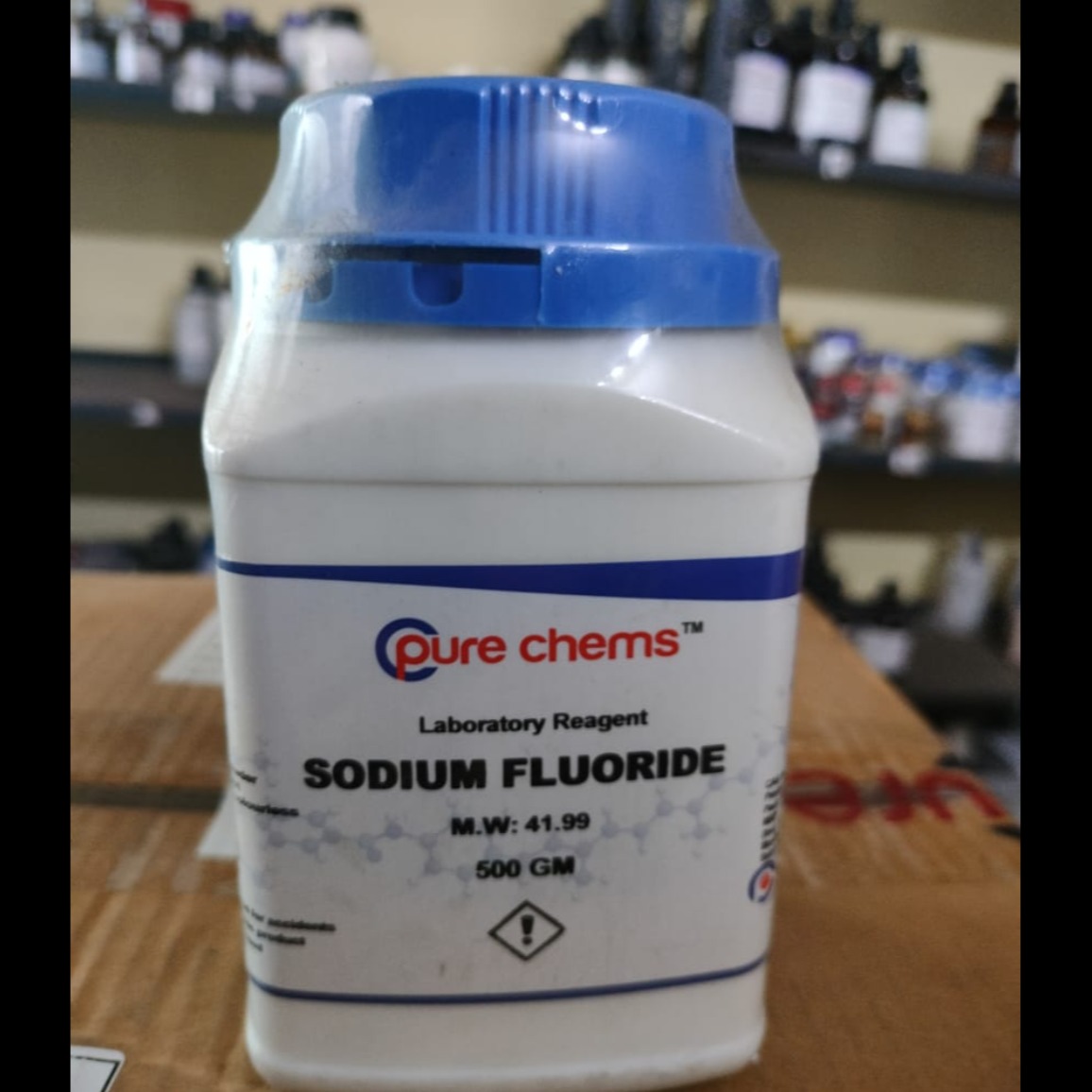
Sodium fluoride (NaFcap N a cap F������) is an inorganic ionic compound used in dental care, water fluoridation, and several industrial applications. It is a white, odorless crystalline solid that is soluble in water.Uses Dental and medical Preventing tooth decay: Sodium fluoride strengthens tooth enamel, making it more resistant to acid and decay. It is a key ingredient in many toothpastes and mouthwashes and is used for topical fluoride treatments in dentistry. Fluoridation of water: Water supplies in many areas are supplemented with trace amounts of sodium fluoride to improve public dental health. Medical imaging: A radioactive form, fluorine-18-labeled sodium fluoride (Na18Fcap N a to the 18th power cap F����18��), is used in positron emission tomography (PET) scans for sensitive and high-resolution imaging of the skeleton to detect bone diseases like cancer metastases. Osteoporosis: Studies have been conducted on fluoride supplementation for postmenopausal osteoporosis, but its effectiveness in reducing fracture risk remains controversial. Enzyme inhibitor: It can be added to protein lysis buffers in a lab setting to inhibit phosphatases and protect phosphorylated proteins. Industrial Metallurgy: NaFcap N a cap F������ is used in the metallurgical industry, particularly in the production of steel and aluminum. Pesticide: It is a powerful insecticide and rodenticide, and is sometimes dyed blue or green when sold for this purpose. Wood preservative: Sodium fluoride is used to protect wood from insects and fungi. Cleaning agent: It is used in cleaning compounds, for example as a 'laundry sour'. Safety and hazardsWhile beneficial in low concentrations, sodium fluoride can be toxic in larger doses and requires careful handling. Acute toxicity: Ingestion of high doses can cause gastrointestinal distress, weakness, tremors, convulsions, and even death in severe cases. Dental fluorosis: Excessive, long-term intake of fluoride during childhood (such as from drinking water with high fluoride levels) can cause dental fluorosis, which results in discoloration or mottling of tooth enamel. Skeletal fluorosis: Chronic exposure to very high levels of fluoride can cause skeletal fluorosis, which affects the bones and joints. Chemical reactivity: Sodium fluoride reacts with strong acids to produce highly toxic hydrogen fluoride gas.
Have a question? Ask here!
Required fields are marked *