

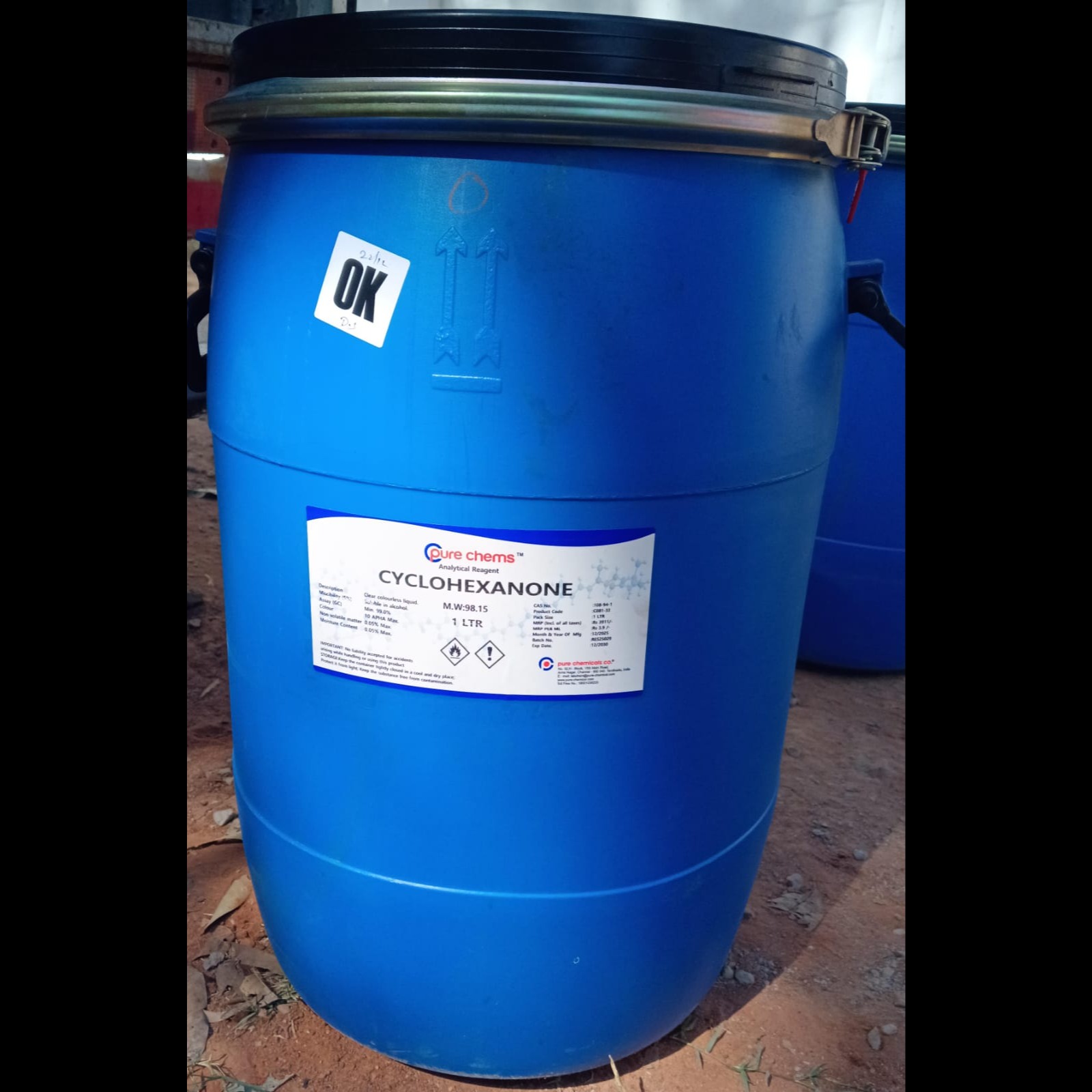
2026-01-09T11:25:11
What Is Cyclohexane? Cyclohexane is a cycloalkane hydrocarbon with the chemical formula C₆H₁₂. It’s a colorless, flammable liquid with a mild petroleum-like odor. CAS Number: 110-82-7 Molecular Weight: ~84.16 g/mol Boiling Point: ~80.7 °C Density: ~0.78 g/mL at 20 °C It’s generally insoluble in water but mixes well with many organic solvents. Commercial grades are typically high-purity solvents (≥99 %) used in industry. 📦 What Does “Commercial Grade” Mean? In chemical trade, “commercial grade” cyclohexane refers to a product suitable for industrial and large-scale use rather than high-precision analytical or pharmaceutical applications. Typical specs include: Purity: ~99 % (some industrial grades go up to 99.9 %) Low levels of impurities: e.g., water, benzene, cyclohexene controlled within limits Flammable liquid with specific hazard labelling (UN 1145, Hazard Class 3) Grades might be labeled: Industrial Grade (bulk use) Commercial Grade (standard high-purity industrial solvent) Technical or Reagent Grade (for some lab/industrial purposes) Higher purity grades (AR/GR/ACS) are closer to laboratory standards, but commercial grade is adequate for most manufacturing uses. 🏭 Major Industrial Uses 🧵 1. Nylon Raw Material Production The biggest commercial use is as a chemical intermediate in making: Adipic acid Caprolactam These are precursors for nylon-6 and nylon-6, 6 — plastics used in textiles (clothing, carpets), automotive parts, engineering plastics, and more. 🧪 2. Solvent in Chemical Processes Cyclohexane acts as a non-polar organic solvent for: Paints, coatings, resins, and adhesives Organic synthesis of various chemicals Extraction and reaction media in petrochemical plants
Have a question? Ask here!
Required fields are marked *