

2025-09-01T10:55:44
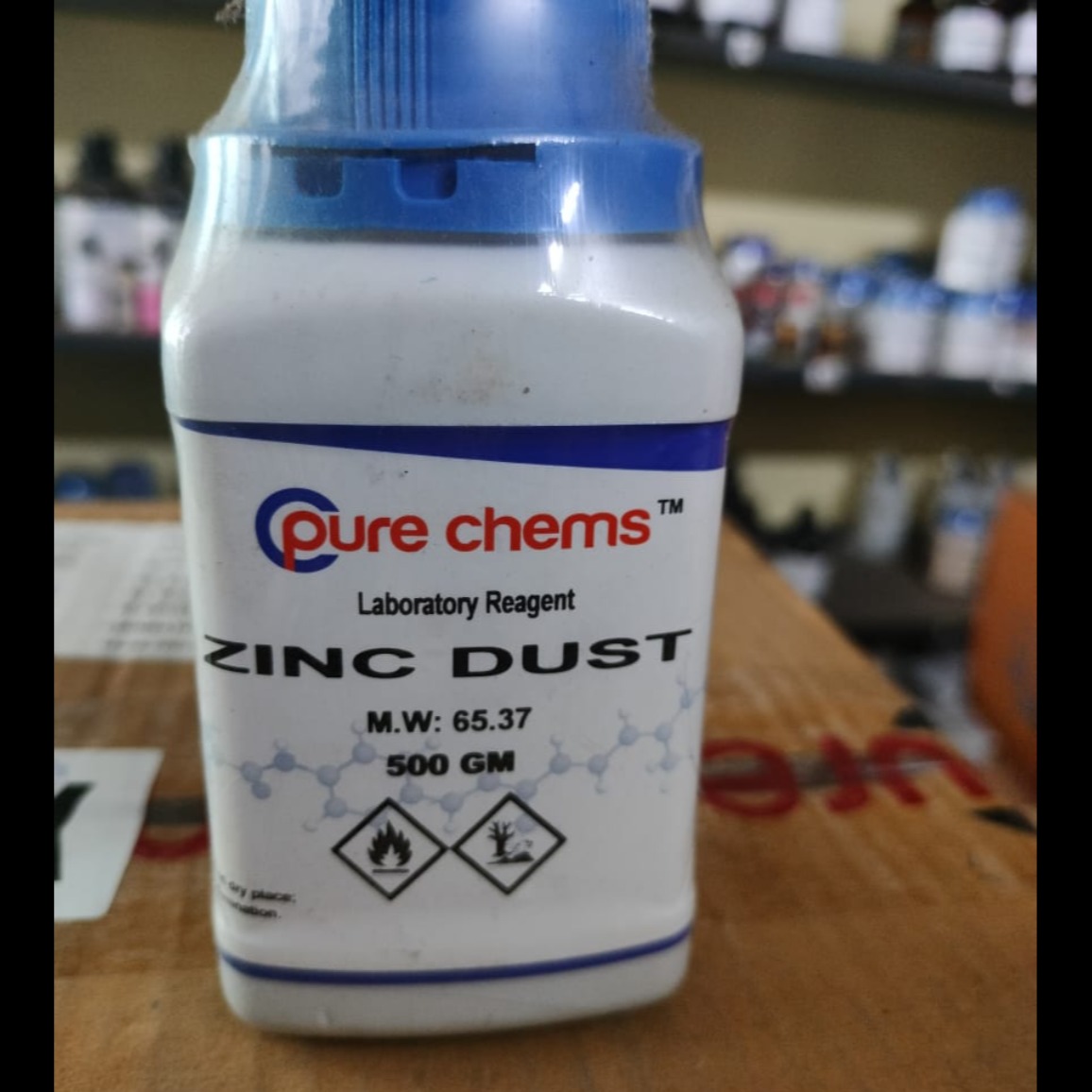
Zinc dust is a very fine, grayish metallic powder consisting of tiny particles of zinc metal. Due to its high reactivity and large surface area, it has numerous industrial and chemical applications. Uses and applications Anti-corrosion coatings: One of the most important uses of zinc dust is in creating 'zinc-rich' paints and primers. When applied to steel surfaces, the zinc acts as a sacrificial coating, corroding before the steel and preventing rust. This is widely used on large structures like offshore oil rigs and bridges. Chemical and pharmaceutical industry: Zinc dust is a versatile and common reducing agent in organic synthesis. It is used to produce pharmaceutical and agrochemical products and prepare organozinc reagents for reactions. Metallurgy: In electrometallurgy, zinc dust is used to remove cations of less reactive metals like copper and silver from solutions. It is also used for mechanical plating, a process that coats small steel parts with zinc. Batteries: Zinc dust is the key fuel in alkaline batteries. It reacts electrochemically to generate electrical energy. Other uses: Explosives: Zinc dust can have a slightly explosive nature and has been used in some pyrotechnic mixtures. Textiles: It can be used in textile chemical processes, such as bleaching. Lubricants: Zinc dust is sometimes added to industrial greases and lubricants. Safety precautionsHandling zinc dust requires significant safety precautions due to several hazards. Water reactivity: Contact with water or moisture can produce flammable and explosive hydrogen gas. Storage containers must be kept dry. Toxicity: Inhaling zinc dust or its fumes can cause respiratory irritation and lead to a flu-like condition known as 'metal fume fever'. Protective measures: Ventilation: Use zinc dust only in well-ventilated areas or with a fume hood to avoid inhalation. Personal Protective Equipment (PPE): Wear safety goggles, protective gloves, and a lab coat. A dust respirator is recommended to avoid inhaling airborne particles. Fire safety: Use special dry chemical fire extinguishers for metal fires. Never use water or foam, as they can worsen the fire by reacting with the zinc to produce hydrogen gas. Storage: Store containers in a cool, dry, and well-ventilated area, away from ignition sources, acids, and alkalis. Flammability: As a fine powder, zinc dust is a flammable solid and can form explosive dust clouds if dispersed in the air.
Have a question? Ask here!
Required fields are marked *