

2025-09-01T10:48:38
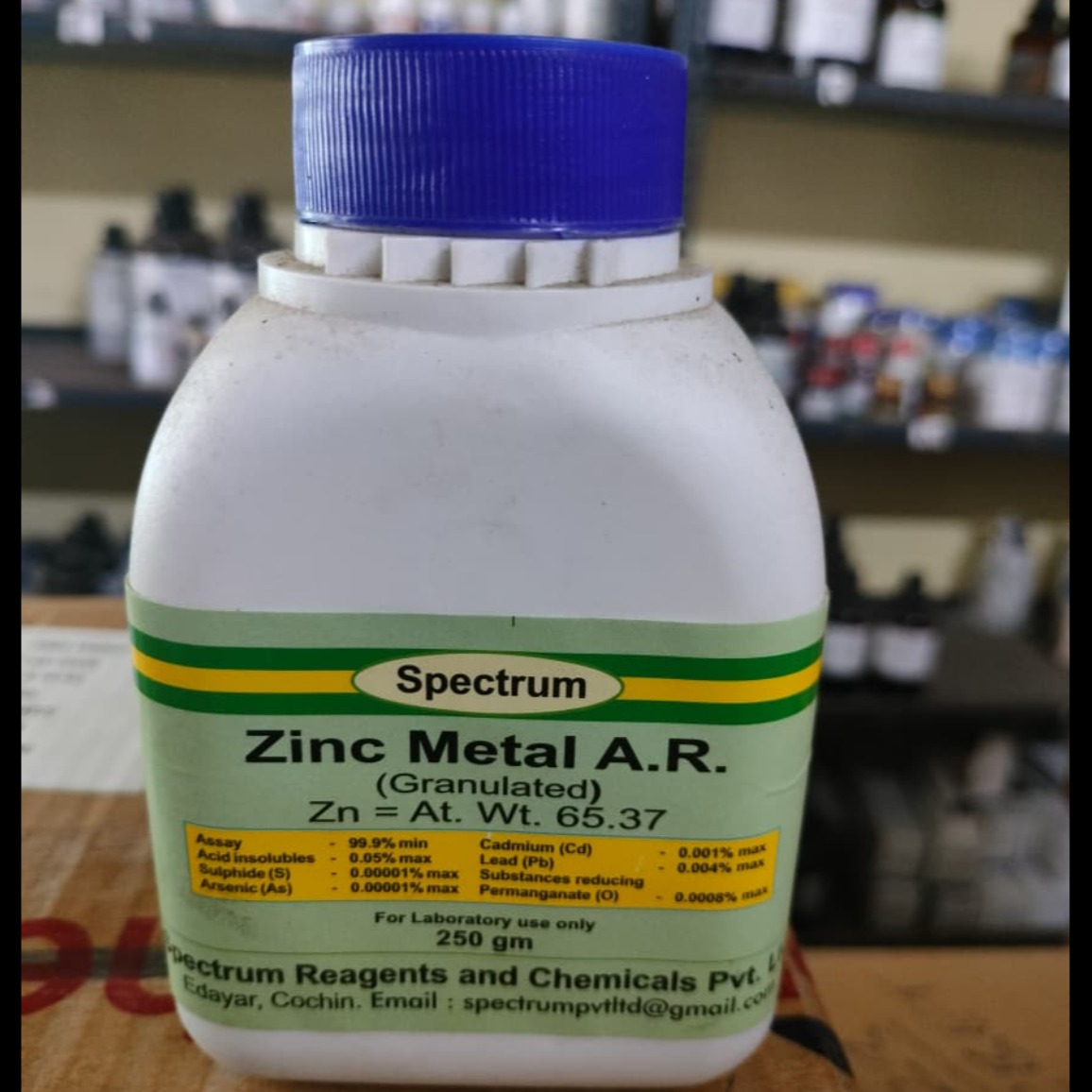
Zinc is a bluish-white, brittle, and lustrous metal with the atomic number 30. A moderately reactive metal, it is known for its strong corrosion resistance, especially when used to coat other metals. It is the 24th most abundant element in the Earth's crust and an essential trace element for human health. Major uses of zinc metalCorrosion protection Galvanization: This is the most common use of zinc, accounting for about half of all zinc production. A protective zinc coating is applied to iron and steel to prevent rust. Zinc acts as a sacrificial anode, corroding before the protected metal. Marine industry: Sacrificial zinc anodes are used on ships, pipelines, and offshore rigs to prevent galvanic corrosion.Alloys Brass: An alloy of copper and zinc, brass is known for its durability and corrosion resistance. It is used for musical instruments, plumbing, and decorative fittings. Zamak: These zinc alloys include aluminum, magnesium, and copper. They are prized for their strength, high castability, and use in die-casting for the automotive, electrical, and hardware industries. Solder: Zinc is alloyed with lead and tin to create solder, which has a low melting point for joining metal components.Other industrial uses Batteries: Zinc is used as the anode in several batteries, including dry-cell, zinc-carbon, and zinc-air types. Die-casting: Zinc is a vital component in die-cast manufacturing for the automotive and electronics industries. Construction: Rolled zinc, often alloyed with copper and titanium for extra strength, is used for roofing and cladding. Biological role and health considerations Essential nutrient: Zinc is a crucial trace element for humans, animals, and plants. In humans, it is second only to iron in abundance. Bodily functions: Zinc is necessary for over 300 enzymes and plays a role in: Immune function Protein and DNA synthesis Wound healing Cell division and growth Sources: Zinc is found in foods like shellfish, red meat, and nuts. Many breakfast cereals and other products are fortified with it. Health issues: Deficiency: Inadequate zinc can cause impaired immune function, growth retardation, hair loss, and delayed wound healing. Toxicity: Excessive zinc intake can lead to symptoms like nausea, cramps, and diarrhea, as well as deficiencies in other nutrients like copper.
Have a question? Ask here!
Required fields are marked *