

2025-10-27T06:16:50
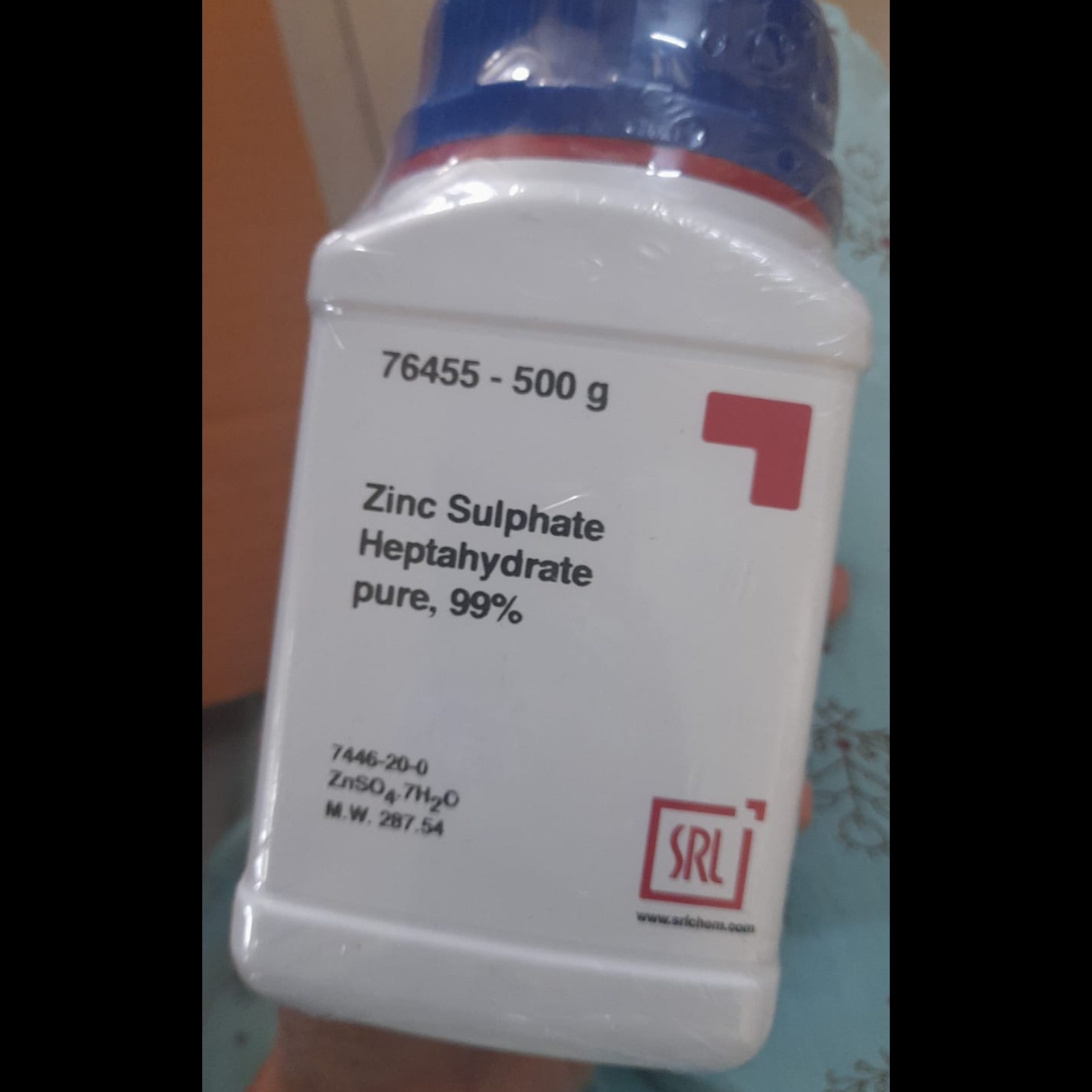
Zinc Sulphate Heptahydrate is a white crystalline powder that is used as a laboratory reagent and has various industrial applications, including in agriculture as a fertilizer to improve plant health and in animal feed as a supplement. It is also known as 'white vitriol' and is soluble in water, with a molecular weight of approximately 287.54287.54287.54 g/mol. Uses and applications Agriculture: It is a vital micronutrient fertilizer that corrects zinc and sulfur deficiencies in crops. It is available in different grades and can be applied to the soil, sprayed on foliage, or used for seed treatment. Animal Feed: Used as an additive to animal feeds to prevent zinc deficiency in livestock and poultry, which can affect their growth and reproductive health. Healthcare: As a dietary supplement, it helps treat or prevent zinc deficiency in humans. It is also used as an astringent and emetic in medical formulations. Industrial: It has a variety of industrial uses, including: Textiles: Used as a mordant in dyeing and calico printing. Electroplating: Serves as an electrolyte for zinc plating. Chemicals: Used in the production of rayon, lithopone pigments, and other zinc salts. Water Treatment: Functions as a flocculating agent to remove impurities from water. Cosmetics and Skincare: Its antimicrobial and soothing properties make it an ingredient in products like sunscreens, anti-dandruff shampoos, and acne creams. Safety considerations Health: Zinc Sulphate Heptahydrate is harmful if swallowed, and can cause serious eye damage and skin irritation. Inhalation of the dust may also cause respiratory irritation. Environment: It is very toxic to aquatic life, with long-lasting effects. Precautions must be taken to avoid its release into the environment. Handling and Storage: When handling, use proper personal protective equipment (PPE) such as gloves, eye, and face protection. It must be stored in a dry, well-ventilated area.
Have a question? Ask here!
Required fields are marked *