

2025-09-01T11:21:23
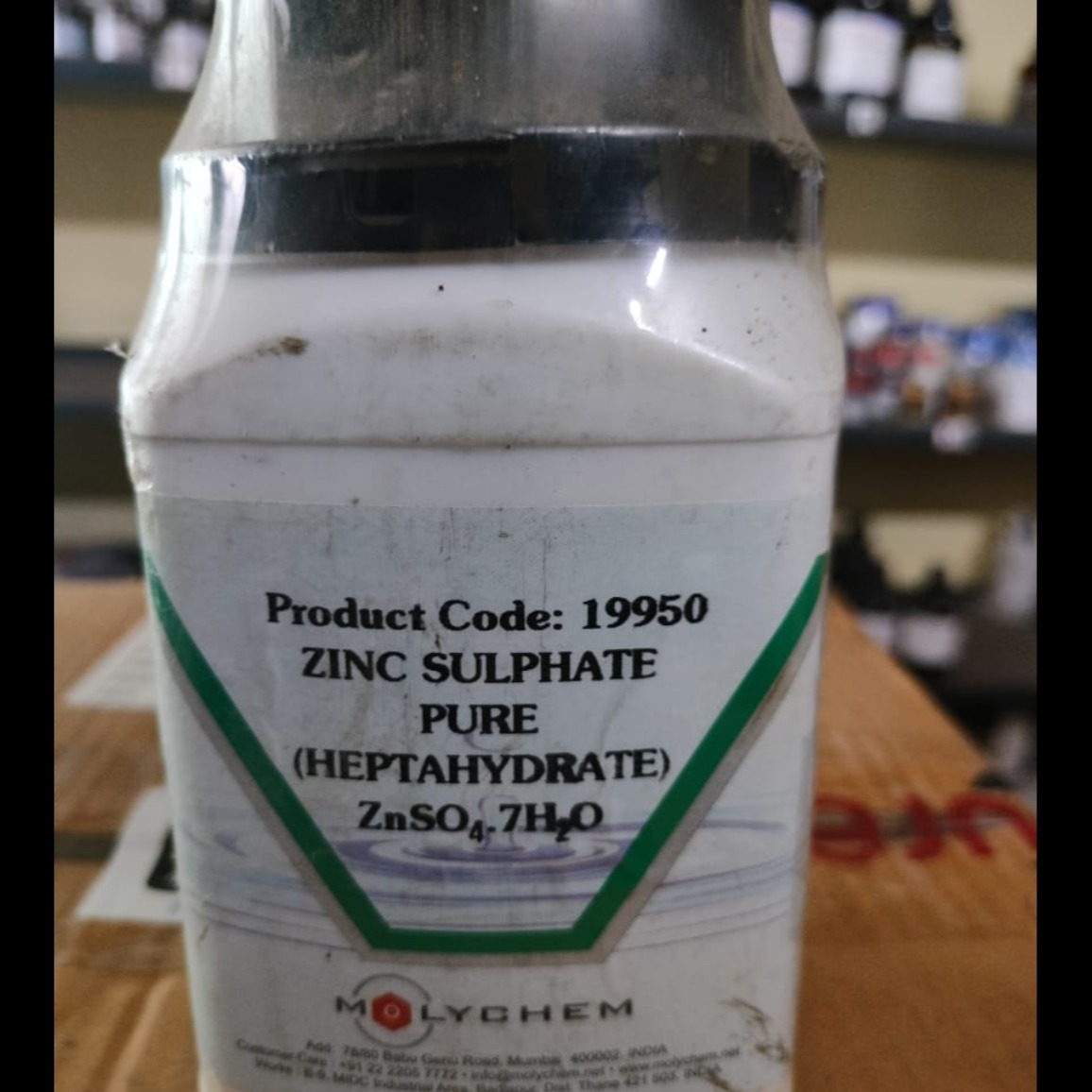
Zinc sulfate (ZnSO4cap Z n cap S cap O sub 4��������4) is an inorganic compound historically known as 'white vitriol, ' and it is an important source of the essential trace mineral zinc. It is highly soluble in water and is available in anhydrous (no water) and hydrated forms, such as the most common heptahydrate (ZnSO4⋅7H2Ocap Z n cap S cap O sub 4 center dot 7 cap H sub 2 cap O��������4⋅7��2��) and monohydrate (ZnSO4⋅H2Ocap Z n cap S cap O sub 4 center dot cap H sub 2 cap O��������4⋅��2��). UsesZinc sulfate is a versatile compound with a wide range of applications in medicine, agriculture, and various industries.Medical uses Dietary supplement: Used to treat and prevent zinc deficiency. Diarrhea treatment: The World Health Organization recommends zinc supplements along with oral rehydration therapy for children with diarrhea. Wilson's disease: Administered as an effective, low-toxicity treatment to manage the body's copper levels. Topical applications: Used as an astringent in eye drops and lotions and has shown effectiveness in reducing the severity of acne and herpes simplex lesions. Immune function: Supports immune health and may help reduce the duration and severity of cold symptoms. Agricultural uses Fertilizer: A key ingredient in fertilizers, it supplies the essential micronutrient zinc to crops to correct deficiencies, which can cause stunted growth and reduced yield. Animal feed: Used as a supplement in animal feed to ensure proper growth and overall health in livestock. Moss control: A common ingredient in sprays used to control moss on roofs. Industrial uses Manufacturing: Used as a coagulant in the production of rayon and as a precursor for the pigment lithopone. Metal plating: Acts as an electrolyte for zinc electroplating. Preservative: Can be used as a preservative for materials like wood and leather. Safety and side effectsWhile zinc is an essential mineral, excessive intake of zinc sulfate can lead to adverse effects. Common side effects Digestive issues: These may include nausea, vomiting, abdominal pain, diarrhea, or indigestion. Metallic taste: A metallic taste in the mouth is a common symptom of taking zinc supplements. Serious side effects and warnings High doses: Very large doses can be acutely toxic and may cause fever, fatigue, and other serious health problems. Interference with other minerals: Long-term, high-dose zinc supplementation can interfere with the body's ability to absorb copper, potentially causing a deficiency. Inhalation hazard: Inhaling zinc-containing mists, particularly from nasal sprays, is potentially unsafe and has been linked to permanent loss of smell.
Have a question? Ask here!
Required fields are marked *